
The Hinterkaifeck Murders: Germany’s Most Chilling Unsolved Crime
In the quiet Bavarian countryside of Germany, a gruesome and perplexing crime unfolded in 1922 that continues to haunt investigators, historians, and true crime enthusiasts to this day. Known as the Hinterkaifeck murders, this case stands out not only for its brutality but also for the eerie circumstances surrounding it—many of which remain unexplained more than a century later.
The Isolated Farmstead
Hinterkaifeck was a small, remote farm located near the town of Gröbern, about 70 kilometers north of Munich. The property was home to six people: Andreas Gruber, his wife Cäzilia, their widowed daughter Viktoria, Viktoria’s two children (Cäzilia and Josef), and the family’s maid, Maria Baumgartner, who had only arrived on the day of the murders.
The farm’s isolation played a significant role in the mystery. Neighbors were few and far between, and the family largely kept to themselves—though Andreas Gruber was known to have a difficult personality and a troubled past.
Strange Events Before the Murders
In the days leading up to the murders, several unsettling occurrences were reported:
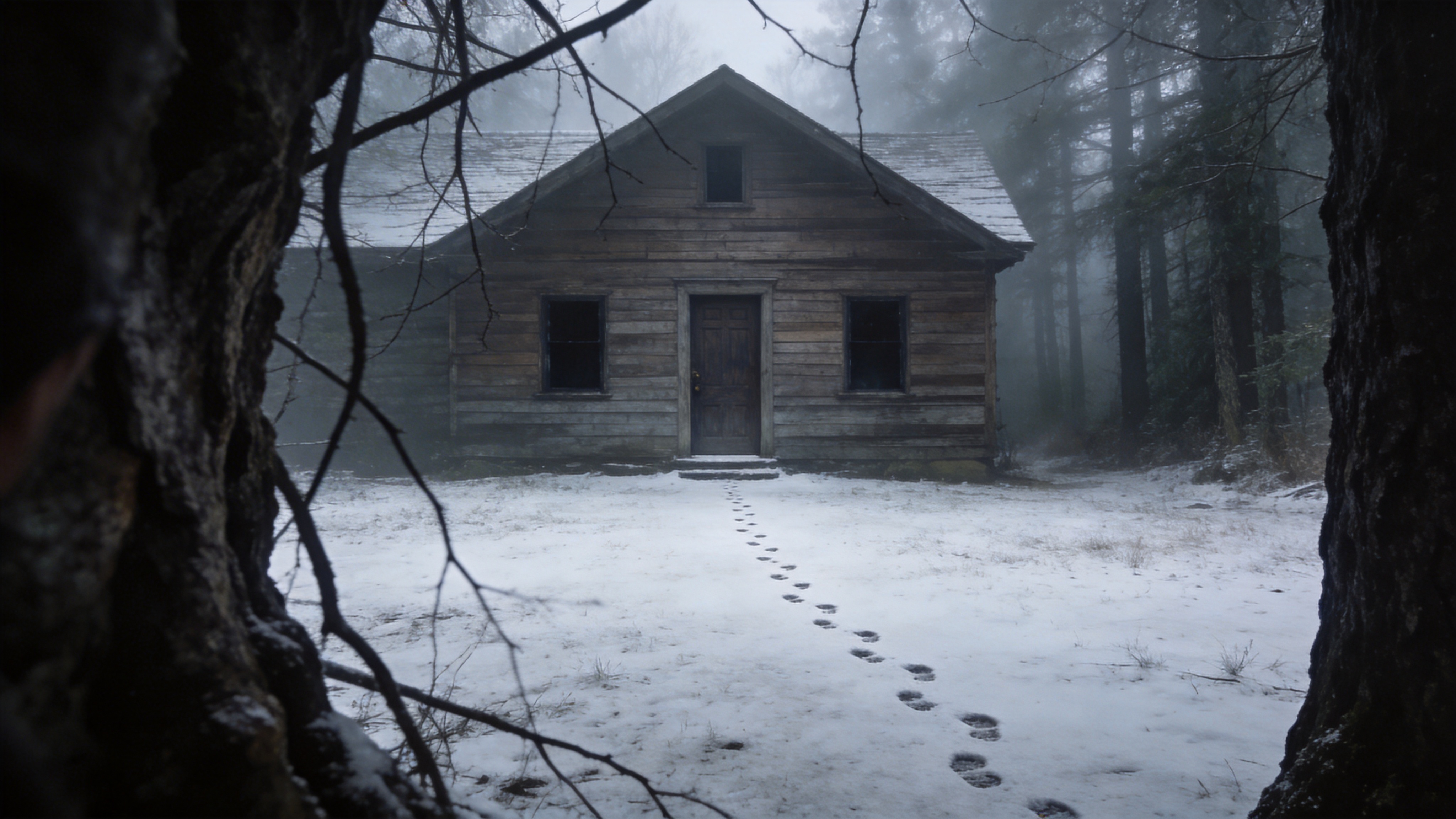
- Andreas Gruber discovered unfamiliar footprints in the snow leading from the forest to the house—but none leading back.
- Strange noises were heard in the attic.
- A set of house keys went missing.
- The previous maid had quit, claiming the house was haunted.
Despite these alarming signs, the family did not seek help.
The Discovery of the Crime
On April 4, 1922, neighbors grew concerned when the family failed to show up for church and the children missed school. A search party went to the farm and made a horrifying discovery.
Four members of the family—Andreas, his wife, Viktoria, and young Cäzilia—were found dead in the barn. They had been lured there one by one and brutally killed with what was believed to be a mattock, a farming tool. Inside the house, the maid Maria and toddler Josef were also found murdered.
A Killer Who Stayed Behind?
One of the most disturbing aspects of the case is the evidence suggesting that the killer remained on the farm for several days after the murders:
- The animals had been fed.
- Meals appeared to have been prepared and eaten.
- Smoke was seen rising from the chimney.
This implies that the perpetrator lived among the victims’ bodies for some time, undetected.
The Investigation
The investigation was extensive but ultimately unsuccessful. Hundreds of suspects were questioned, including neighbors, former workers, and even members of the victims’ extended family.
One of the most discussed suspects was Karl Gabriel, Viktoria’s husband, who had reportedly died in World War I. Some believed he might have survived and returned in secret, though this theory was never proven.
Another theory involved incest within the family—specifically between Andreas Gruber and his daughter Viktoria—which had previously been investigated by authorities. This added a layer of scandal and complexity to the case.
Despite years of inquiry, no one was ever definitively charged.
Why the Case Remains Unsolved
Several factors contributed to the mystery enduring:
- The crime scene was contaminated by curious onlookers before police could secure it.
- Forensic science at the time was limited.
- Conflicting witness statements and lack of concrete evidence made it difficult to build a case.
Even decades later, modern reviews of the evidence have failed to produce a conclusive answer.
Legacy of the Hinterkaifeck Murders
The Hinterkaifeck case has become one of Germany’s most infamous unsolved crimes. It has inspired books, documentaries, and films, and continues to be the subject of speculation and debate.
What makes the case so compelling is not just the violence, but the unanswered questions:
- Who left the footprints in the snow?
- Why did the killer remain on the farm?
- Was the crime personal, or something else entirely?
More than a century later, the Hinterkaifeck murders remain a chilling reminder that some mysteries may never be solved.
Final Thoughts
The story of Hinterkaifeck endures because it sits at the intersection of horror and uncertainty. It’s not just a tale of a brutal crime—it’s a puzzle with missing pieces, a narrative filled with eerie clues that never quite come together.
As time passes, the likelihood of a definitive answer fades. But the fascination remains, ensuring that the victims of Hinterkaifeck—and the mystery surrounding their deaths—are never forgotten.
Summary
In 1922, six members of a family living on the isolated Hinterkaifeck farm in rural Bavaria were brutally murdered with a farming tool. In the days before the killings, the family experienced strange and unsettling events, including mysterious footprints, attic noises, and missing keys.
After the murders, evidence suggested the killer remained on the farm for several days—feeding animals and using the house—before disappearing without a trace. Despite a large investigation and many suspects, the case was never solved and remains one of Germany’s most infamous mysteries.
🔍 Key Highlights
- Remote location: The farm was isolated, making it easier for the killer to act unnoticed.
- Six victims: Andreas and Cäzilia Gruber, their daughter Viktoria, her two children, and the maid.
- Eerie warning signs:
- Footprints leading to the house but not away
- Strange attic noises
- Missing house keys
- Gruesome method: Victims were killed one by one, likely lured into the barn.
- Post-crime activity:
- Animals were cared for
- Food was eaten
- Smoke came from the chimney
- Unsolved mystery:
- No confirmed suspect
- Crime scene contamination hindered the investigation
- Theories include family conflict, revenge, or someone hiding on the farm
- Lasting intrigue: The case still fascinates historians and true crime enthusiasts over 100 years later.
Here are the most widely discussed theories surrounding the Hinterkaifeck murders
1. The “Insider” or Family Conflict Theory
This is one of the most commonly accepted explanations.
- There were rumors of an incestuous relationship between Andreas Gruber and his daughter Viktoria.
- This created tension, scandal, and possible motives for revenge or silencing.
- Someone close to the family (or aware of their secrets) may have committed the murders. Why people believe it:
The killer seemed familiar with the farm layout and routines, suggesting it wasn’t a random outsider.
2. The Husband Who Returned (Karl Gabriel Theory)
This theory centers on Viktoria’s presumed-dead husband, Karl Gabriel.
- He was reported killed in World War I, but some believed he survived.
- The child Josef’s paternity was questioned, which could have sparked jealousy or rage.
- The killer’s apparent comfort staying on the farm fueled speculation he had once lived there.
Why people believe it:
It explains both the personal motive and the killer’s familiarity with the property.
Why it’s doubted:
Military records strongly support that Karl Gabriel died in the war.
3. The Hidden Intruder Theory
This is one of the creepiest—and most famous—ideas.
- The killer may have been living secretly in the attic before the murders.
- This could explain:
- The strange noises
- The missing keys
- The footprints leading only to the house
- The killer then struck at the right moment.
👉 Why people believe it:
It fits the eerie pre-murder events almost perfectly.
👉 Why it’s unsettling:
It suggests the family was being watched for days—or even weeks.
4. Disgruntled Worker or Neighbor
Another strong theory involves someone local.
- A former farmhand or neighbor may have had a grudge.
- The previous maid quit because she felt the house was haunted—possibly sensing something real.
- Locals would have known the family’s habits and isolation.
👉 Why people believe it:
A local person could move around unnoticed and knew how to manage farm animals afterward.
5. Robbery Gone Wrong (Less Popular)
Some believe the murders were financially motivated.
- The family was not poor and may have had cash on hand.
- However, money and valuables were reportedly left behind.
👉 Why it’s doubted:
The extreme violence and post-murder behavior don’t match a typical robbery.
6. Multiple Killers or Cover-Up
A more complex theory suggests more than one perpetrator.
- The logistics of killing six people and maintaining the farm may have required help.
- Some suspect a cover-up or mishandled investigation due to local bias or incompetence.
👉 Why people believe it:
The scale and strangeness of the crime seem difficult for one person alone.
Why None of These Are Proven
Every theory explains some aspects—but not all:
- The footprints
- The killer staying behind
- The methodical luring of victims
- The lack of a clear escape trail
That’s what keeps the case so compelling: no single explanation ties everything together.
Timeline of Events
Late March 1922 – Strange Occurrences Begin
- Andreas Gruber discovers mysterious footprints in the snow leading from the forest to the farmhouse—but none leading away.
- The family hears unexplained noises in the attic.
- A set of house keys goes missing.
- The previous maid quits, claiming the house is haunted.
These events strongly suggest someone may have already been watching—or hiding on—the property.
March 31, 1922 – The New Maid Arrives
- Maria Baumgartner arrives to begin work at the farm.
- She is reportedly killed just hours later, making her the last known outsider to enter the property.
Night of March 31 – The Murders Occur
- One by one, four family members are lured into the barn:
- Andreas Gruber
- Cäzilia Gruber (his wife)
- Viktoria Gabriel (their daughter)
- Young Cäzilia (granddaughter)
- They are killed with a mattock.
- Inside the house:
- Maria Baumgartner (the maid) is murdered
- Josef (the toddler) is killed in his crib
The sequence suggests the killer used strategy and patience, rather than attacking everyone at once.
April 1–4, 1922 – The Killer Remains
- Evidence suggests the perpetrator stayed on the farm for several days:
- Animals were fed
- Meals were prepared and eaten
- Smoke was seen coming from the chimney
This is one of the most disturbing aspects of the case.
April 4, 1922 – The Bodies Are Discovered
- Neighbors notice:
- The family missed church
- The children didn’t attend school
- A search party enters the farm and discovers:
- Four bodies in the barn
- Two inside the house
April 1922 – Investigation Begins
- Police begin an investigation, but:
- The crime scene is contaminated by visitors
- Hundreds of suspects are questioned
- No arrests are made.
Following Years – Case Goes Cold
- Various suspects are considered, including:
- Karl Gabriel (Viktoria’s husband, believed dead in WWI)
- Despite ongoing interest and later reviews, no one is ever definitively identified as the killer.
Leave a Reply